
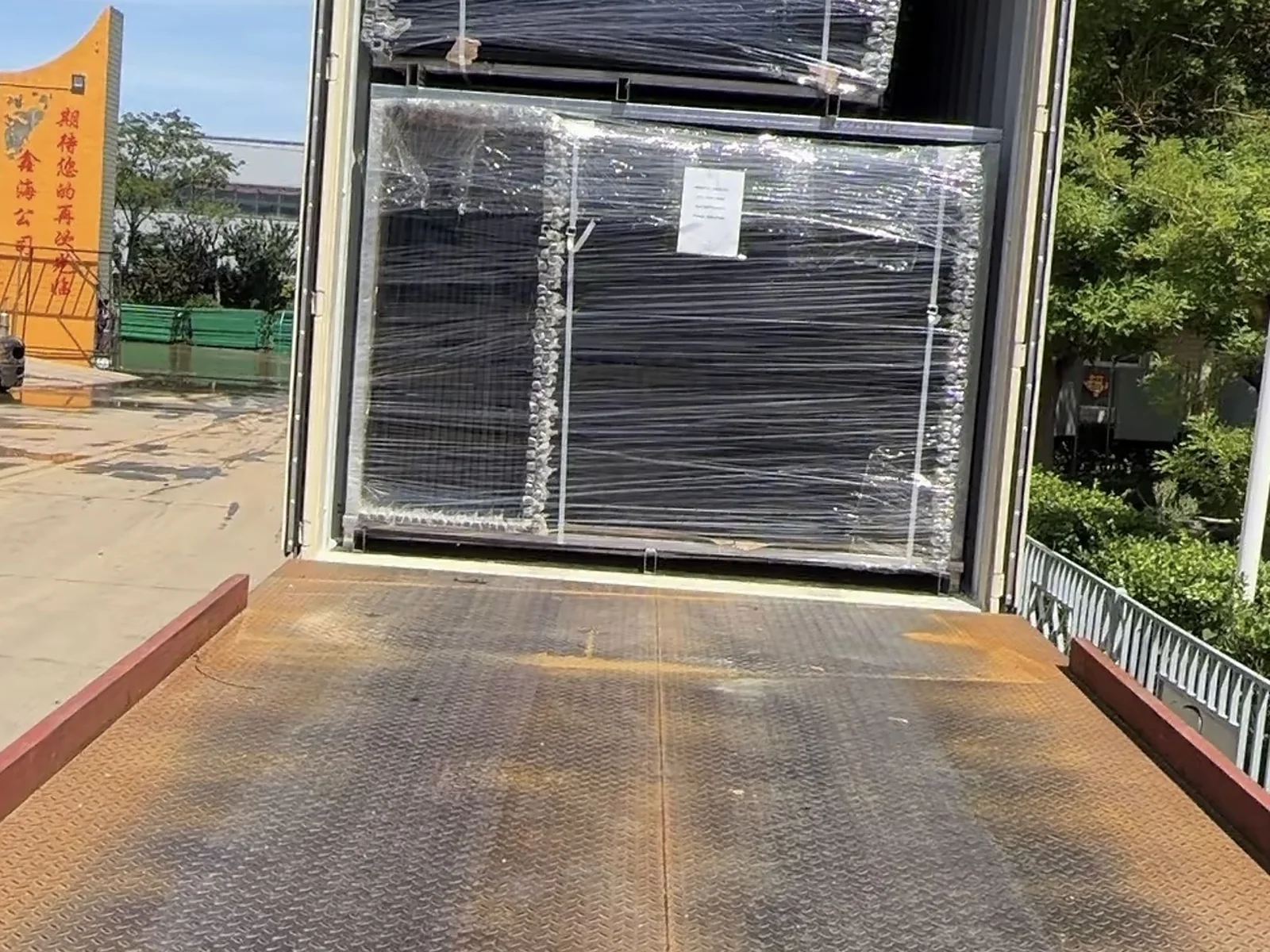
Fence packing must preserve panels, posts and accessory kits while allowing practical unloading at destination. Bundle weights, separators, labels, loading order and documents should be agreed before production rather than after packing.
Packing instructions that affect the delivered condition
- Panel separators and edge protection
- Post, gate and accessory-kit identification
- Bundle weight and unloading equipment limits
- Container loading sequence and destination port
- Required packing, inspection and shipment records
Use a packing method that matches each component
Rigid panels, folded 3D panels, posts, gate frames, concertina coils and small fixings do not share one universal packing method. Define how each component is supported, separated, restrained and identified. Sharp products also require controlled containment and handling instructions.
The packing schedule should follow the approved bill of materials. Keep posts, panels, gates and accessory kits traceable so the receiving team can check quantities without dismantling every bundle.
Set bundle-weight and unloading limits before production
A compact bundle may improve container use but exceed the forklift or crane capacity available at destination. State lifting equipment, fork length, manual-handling restrictions and any maximum bundle weight before the packing design is finalized.
Loading calculations should use the approved dimensions and packing units rather than a generic container quantity. Leave room for safe restraint, doors, irregular gate frames and separately packed accessories.
Align loading order with the installation sequence
When a project is delivered in zones or phases, identify bundles and load them in a sequence that supports site access. Record bundle numbers, component quantities and their container positions in the agreed shipment records.
- Approve labels before final packing
- Photograph agreed checkpoints when required by the order
- Seal and count small fixing kits
- Confirm destination, unloading and storage conditions
How to request a comparable quotation
State the product, dimensions, quantity, finish, supporting components, installation conditions and destination. Where drawings or a bill of quantities are available, attach them to the RFQ so the system interfaces can be reviewed together.
Final selections remain subject to the approved quotation, project drawings and applicable site requirements.
Common buyer questions
Can container quantity be confirmed before panel dimensions?
Only as a provisional estimate. Final loading depends on approved product dimensions, bundle design, weight, irregular components and the container plan.
What should a bundle label contain?
Use the order or project identifier, product or component type, quantity, bundle number and installation zone when the buyer supplies that sequence.
Why must unloading equipment be stated in the RFQ?
It controls practical bundle weight, lifting access and the way components should be oriented or separated for delivery.